Archive: April 28, 2026

PDF

12 pasos de a.a. pdf

Alcoholics Anonymous’s (AA) foundational 12 Steps offer a pathway to recovery, initially designed for those struggling with alcohol, but now widely adapted.

Numerous resources, including a “12 Steps of AA” PDF, are available, often reprinted with permission from AA World Services, Inc.

These steps guide individuals through a process of self-reflection, acceptance, and spiritual growth, fostering lasting sobriety and a renewed sense of purpose.

Historical Context of AA

Alcoholics Anonymous emerged in the 1930s, born from a collaboration between Bill Wilson, a struggling stockbroker, and Dr. Bob Smith, a surgeon battling his own alcoholism. Their shared experiences and mutual support formed the bedrock of what would become a global phenomenon. Initially, the approach wasn’t formally codified as the “12 Steps” immediately; it evolved through their interactions and the experiences of early members.

The principles, however, drew heavily from the Oxford Group, a non-denominational Christian movement emphasizing moral inventory, confession, restitution, and surrender to a higher power. As AA grew, the need for a structured program became apparent, leading to the articulation of the 12 Steps in the book Alcoholics Anonymous, published in 1939.

The availability of materials like the “12 Steps of AA” PDF today reflects the organization’s commitment to accessibility and dissemination of its core principles. Permission for reprints, as noted by sources like Academia.edu, underscores AA’s collaborative spirit while maintaining the integrity of its foundational text.

The Purpose of the 12 Steps

The core purpose of the 12 Steps of Alcoholics Anonymous is to guide individuals toward lasting sobriety and a fulfilling life free from the grip of addiction. It’s not merely about abstaining from alcohol, but about addressing the underlying emotional, spiritual, and psychological factors contributing to the addictive behavior. The steps facilitate a profound personal transformation, encouraging honesty, acceptance, and a willingness to change.

Access to resources like a “12 Steps of AA” PDF allows individuals to independently explore the program’s principles. The steps promote surrender to a power greater than oneself, acknowledging powerlessness over addiction, and making amends for past harms.

Furthermore, the process fosters a sense of community and shared experience, vital for sustained recovery. AA’s influence extends beyond alcohol addiction, with adaptations like A.S.A.A. demonstrating the universal applicability of these principles to other compulsive behaviors, as evidenced by their own published steps.

Understanding the First Three Steps

Initial steps in AA, often found in a “12 Steps of AA” PDF, focus on acknowledging addiction, embracing hope, and deciding to commit to recovery.

Step 1: Admitting Powerlessness

The first step, frequently detailed within a “12 Steps of AA” PDF, centers on honestly acknowledging that one’s life has become unmanageable due to alcohol.

This isn’t about self-blame, but rather a crucial recognition of the power alcohol holds, and the individual’s inability to control it through willpower alone.

Many find this the most challenging step, as it requires relinquishing the illusion of control and accepting a difficult truth about their relationship with alcohol.

Acknowledging powerlessness opens the door to seeking help and accepting the possibility of a solution beyond one’s own efforts. It’s a foundation for humility and a willingness to explore new approaches to recovery.

This step isn’t a sign of weakness, but a demonstration of courage – the courage to confront reality and begin the journey toward healing. It’s the essential first step towards lasting change.

Step 2: Belief in a Higher Power

Step Two, often explained in detail within a “12 Steps of AA” PDF, encourages a belief in a Power greater than oneself. This doesn’t necessarily equate to a traditional religious God.

AA emphasizes that this Power can be anything that provides strength, hope, and guidance – nature, the group itself, or even a positive principle.

The core idea is recognizing that recovery requires a source of support beyond individual willpower, something to lean on during challenging times.

This step is about opening oneself to the possibility of help and surrendering to something larger than oneself. It fosters humility and a sense of connection to something meaningful.

Many find comfort in defining their Higher Power in a way that resonates personally, allowing for a flexible and inclusive approach to spirituality within the recovery process. It’s a step towards hope and faith.

Step 3: Making a Decision to Turn

Step Three, frequently elaborated upon in a “12 Steps of AA” PDF, centers on the crucial decision to turn one’s will and life over to the care of God as one understands Him.

This isn’t about relinquishing control entirely, but rather acknowledging the ineffectiveness of self-reliance in overcoming addiction and actively choosing a path of surrender.

It’s a conscious commitment to seek guidance and strength from a Higher Power, trusting that a different way of living is possible.

This step involves a profound shift in perspective, moving from a focus on self-will to openness to a power greater than oneself. It’s a proactive choice, a declaration of willingness to change.

The decision to turn represents a turning point in the recovery journey, signifying a commitment to a new way of life guided by hope and faith, and a willingness to accept help.

Steps Four and Five: Self-Inventory and Sharing

Steps Four and Five, detailed in a “12 Steps of AA” PDF, involve a rigorous self-assessment and courageous sharing with another person.

This process unlocks profound healing and growth.

Step 4: Making a Searching and Fearless Moral Inventory

Step Four, as outlined in the “12 Steps of AA” PDF and foundational texts, calls for a deeply honest and comprehensive examination of one’s past.

This isn’t merely a recollection of events, but a searching and fearless moral inventory. Individuals are encouraged to identify their resentments, fears, and the harms they’ve caused to others.

The process involves making lists – of people they’ve harmed, and of their own character defects.

Crucially, the emphasis is on honesty; glossing over uncomfortable truths hinders genuine progress.

This step requires courage, as confronting past actions and acknowledging personal failings can be painful. However, it’s a necessary precursor to lasting change and spiritual growth within the AA framework.

The goal isn’t self-condemnation, but rather a clear-eyed understanding of patterns and behaviors that contribute to addiction.

Step 5: Admitting to God, Ourselves, and Another Human Being

Step Five, detailed within the “12 Steps of AA” PDF, builds upon the self-awareness gained in Step Four, demanding a vulnerable act of confession.

It requires admitting the specific nature of one’s wrongs – the resentments, fears, and harms identified – to three crucial entities: God (or a Higher Power as individually defined), oneself, and another human being.

This isn’t about seeking absolution, but about breaking the chains of secrecy and shame that fuel addiction.

Sharing with another person, often a sponsor, provides accountability and support, fostering a connection built on trust and understanding.

The act of verbalizing these truths is powerfully transformative, dismantling the isolation that often accompanies addiction.

This step emphasizes honesty and humility, paving the way for genuine spiritual growth and acceptance.

Steps Six and Seven: Preparation for Change

Steps Six and Seven, outlined in the “12 Steps of AA” PDF, focus on readiness for transformation and humbly seeking removal of character defects.

Step 6: Being Entirely Ready to Have God Remove

Step Six, detailed within resources like the “12 Steps of AA” PDF, represents a crucial turning point in the recovery journey. It’s about honestly examining all character defects – shortcomings, flaws, and negative tendencies – that hinder spiritual growth and contribute to addictive behaviors.

This isn’t merely acknowledging these defects, but becoming entirely ready to have them removed. This readiness signifies a profound shift in perspective, a willingness to surrender control and trust in a power greater than oneself. The process involves meticulous self-searching, often through prayer, meditation, and honest self-reflection.

The emphasis on “entirely ready” is significant; it’s not a passive wish, but an active, heartfelt desire for change. It acknowledges that self-will alone is insufficient to overcome deeply ingrained patterns. This step prepares the individual for the next, where they humbly ask for the removal of these defects, opening themselves to divine assistance.

Step 7: Humbly Asking for Removal of Defects

Following the thorough self-examination of Step Six, outlined in materials like the “12 Steps of AA” PDF, Step Seven calls for a humble and earnest request for divine intervention. Having identified character defects, the individual now actively seeks their removal, acknowledging their inability to overcome these challenges through willpower alone.

This isn’t a demanding plea, but a sincere and humble asking, recognizing that the power to change resides beyond the self. Prayer and meditation become vital tools, fostering a connection with a Higher Power and expressing a willingness to relinquish control. The emphasis on humility is paramount; it’s about surrendering pride and accepting help.

This step signifies a deepening trust in the process and a commitment to ongoing spiritual growth. It’s a vulnerable act, requiring honesty and openness, but it paves the way for lasting transformation and freedom from the burdens of the past.

Steps Eight and Nine: Making Amends

Steps Eight and Nine, detailed in the “12 Steps of AA” PDF, involve creating a list of those harmed and making direct amends wherever possible, seeking restoration.

Step 8: Making a List of Persons

Step Eight, as outlined in the widely available “12 Steps of AA” PDF, directs individuals to make a searching and fearless personal inventory, culminating in a comprehensive list. This isn’t merely a recollection of past wrongs, but a detailed accounting of all persons harmed by one’s actions – both directly and indirectly.

The process encourages honesty and thoroughness, prompting a review of relationships and interactions throughout life. It’s crucial to identify not only those visibly impacted, but also those subtly affected by selfish or harmful behaviors. This list serves as a foundation for the subsequent step, preparing the individual for the challenging work of making amends.

The “12 Steps of AA” PDF emphasizes the importance of approaching this step with humility and a willingness to accept responsibility, recognizing that the goal is not to dwell on the past, but to pave the way for a more positive future.

Step 9: Making Direct Amends

Step Nine, detailed within the “12 Steps of AA” PDF, builds upon the foundation laid by Step Eight, focusing on direct amends to those harmed. This involves actively seeking out individuals on the previously compiled list and making restitution wherever possible, except when doing so would injure them or others.

Amends aren’t simply apologies; they represent a genuine effort to repair the damage caused by past actions. This may involve financial compensation, offering service, or simply expressing sincere remorse. The “12 Steps of AA” PDF stresses the importance of humility and avoiding self-pity during this process.

It’s a courageous act of taking responsibility and demonstrating a commitment to change. The goal isn’t to seek forgiveness, but to alleviate the harm caused and free oneself from the burden of past wrongs, fostering personal growth and reconciliation.

Steps Ten, Eleven, and Twelve: Maintaining Sobriety

These final steps, outlined in the “12 Steps of AA” PDF, focus on continuous self-improvement, spiritual connection, and sharing the recovery message with others.

Step 10: Continuing to Take Personal Inventory

Step Ten builds upon the foundational work of the earlier steps, emphasizing the crucial need for ongoing self-reflection as a cornerstone of sustained recovery. As detailed within resources like the widely available “12 Steps of AA” PDF, this step isn’t a one-time event, but rather a continuous practice.

Individuals are encouraged to regularly and honestly assess their thoughts, feelings, and behaviors, identifying patterns that might lead to relapse or hinder personal growth. This ongoing inventory helps to catch destructive tendencies before they escalate, allowing for prompt correction and preventing stagnation.

The purpose isn’t self-condemnation, but rather a compassionate and objective examination of one’s inner landscape. By consistently acknowledging shortcomings and celebrating strengths, individuals can maintain humility, foster self-awareness, and strengthen their connection to their Higher Power, solidifying their commitment to a sober and fulfilling life.

Step 11: Seeking Through Prayer and Meditation

Step Eleven, as outlined in materials like the “12 Steps of AA” PDF, focuses on actively cultivating a conscious connection with a Higher Power through prayer and meditation. This isn’t necessarily tied to organized religion, but rather a personal practice of seeking guidance, clarity, and strength beyond oneself.

Prayer, in this context, isn’t simply asking for favors, but rather expressing gratitude, seeking understanding, and surrendering to a power greater than ego. Meditation provides a space for quiet contemplation, allowing individuals to quiet the internal noise and access inner wisdom.

Regular practice helps to deepen self-awareness, reduce anxiety, and foster a sense of peace. Through consistent seeking, individuals can refine their understanding of their purpose, strengthen their spiritual foundation, and navigate life’s challenges with greater resilience and grace, reinforcing their sobriety.

Step 12: Having Had a Spiritual Awakening

Step Twelve, detailed within resources like the “12 Steps of AA” PDF, represents the culmination of the journey – a profound spiritual awakening. This isn’t a singular event, but rather a gradual unfolding of understanding and transformation resulting from working the previous eleven steps.

It involves a fundamental shift in perspective, moving from self-centeredness to a life guided by principles of love, service, and connection. This awakening fosters a deep sense of purpose and meaning, allowing individuals to experience joy and fulfillment beyond the pursuit of alcohol.

Having experienced this awakening, the individual then carries this message to others, offering hope and support to those still struggling. This act of selfless service solidifies their own recovery and perpetuates the cycle of healing within the AA fellowship, embodying the spirit of the program.

AA and Related Groups

AA’s 12 Steps have profoundly influenced numerous fellowships, including A.S.A.A. and S.L.A.A., adapting the model for diverse addictions, as seen in available PDF resources.

Adaptations of the 12 Steps in Other Fellowships (e.g;, ASAA, S.L.A.A.)

Alcoholics Anonymous’s 12 Steps have served as a cornerstone for recovery programs extending far beyond alcohol addiction. Numerous fellowships have successfully adapted these principles to address a wide spectrum of compulsive behaviors and emotional challenges.

Adictxs al Sexo y al Amor Anónimxs (A.S.A.A.), for example, utilizes the 12 Steps, often available in PDF format, to guide individuals struggling with sex and love addiction. Similarly, Sex and Love Addicts Anonymous (S;L.A.A.), established in 1985, also bases its program on the AA model, offering a structured path to healing and sobriety.

These adaptations demonstrate the universality of the 12 Steps’ underlying principles – acknowledging powerlessness, seeking support, making amends, and cultivating spiritual growth – regardless of the specific addiction. The core framework remains consistent, while the language and focus are tailored to address the unique challenges faced by each fellowship’s members. Resources, including adapted step guides, are often available with permission from AA World Services, Inc.

AA’s Influence on Rehabilitation Centers (e.g., Gloory Hole)

Alcoholics Anonymous’s 12 Steps have profoundly impacted the landscape of addiction treatment, extending their reach into numerous rehabilitation centers worldwide. The principles embedded within the steps – honesty, surrender, and spiritual awakening – provide a robust framework for recovery, influencing therapeutic approaches and program structures.

Centers like Gloory Hole, for instance, explicitly integrate the 12 Steps into their rehabilitation process, utilizing them as a guiding philosophy to support individuals navigating the complexities of addiction. Access to resources like a “12 Steps of AA” PDF often forms part of the center’s educational materials.

This integration isn’t merely procedural; it’s about fostering a community of support and encouraging self-responsibility. The 12 Steps offer a tangible pathway for clients to address underlying issues, make amends, and build a sustainable foundation for long-term sobriety. The influence of AA extends beyond the steps themselves, shaping the overall culture of care within these facilities.

Resources and Accessing the 12 Steps

Numerous resources, including a readily available “12 Steps of AA” PDF, facilitate access to this recovery framework. These materials are often distributed with permission from AA World Services.

Availability of the “12 Steps of AA” PDF

The “12 Steps of AA” in PDF format is widely accessible online through various platforms, including Academia.edu and websites dedicated to recovery resources. This digital format offers convenient access for individuals seeking to understand the principles of the AA program.

However, it’s crucial to note that while many organizations offer these PDFs, they are often reprinted and adapted with permission from AA World Services, Inc. This permission does not imply endorsement of the content surrounding the steps within those specific publications.

Individuals can also obtain official AA literature, including the “Big Book” containing the 12 Steps and 12 Traditions, directly from AA World Services or at local AA meetings. Utilizing official resources ensures adherence to the core principles as intended by the founders of Alcoholics Anonymous, providing a reliable foundation for recovery.

Copyright and Permissions Regarding AA Literature

AA World Services, Inc. holds the copyright to all official Alcoholics Anonymous literature, including the 12 Steps and 12 Traditions; While reprints and adaptations of these materials are permitted, such permissions are granted on a case-by-case basis and do not constitute an endorsement of the adapting organization’s content or interpretations.

The availability of the “12 Steps of AA” PDF online often indicates that the publisher has secured this permission. However, it’s vital to understand that this permission solely covers the reproduction of the steps themselves, not necessarily the accompanying text or commentary.

Organizations like A.S.A.A. (Addicts to Sex and Love Anonymous) and S.L.A.A. (Sex and Love Addicts Anonymous) have adapted the 12 Steps, doing so with explicit permission, yet retaining full responsibility for their specific program’s content. Respecting these copyright guidelines ensures the integrity and authenticity of the AA message.


rk61 manual

RK61 Manual: A Comprehensive Guide

This guide details the ROYAL KLUDGE RK61‚ covering wired use‚ Bluetooth pairing‚ backlight features‚ multimedia controls‚ and troubleshooting steps for optimal performance.

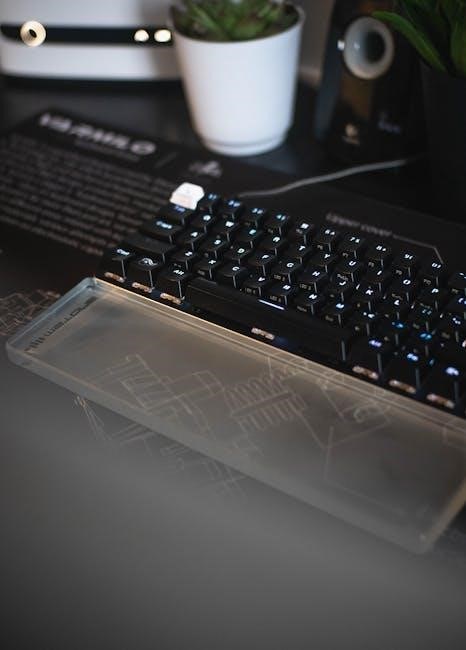
The RK61 is a compact‚ 61-key mechanical keyboard designed for gamers and typists seeking portability without sacrificing functionality. It boasts a robust build quality and customizable features‚ making it a popular choice among mechanical keyboard enthusiasts. This manual serves as a comprehensive resource for understanding and utilizing all aspects of your RK61.

Whether you’re connecting via USB or utilizing its Bluetooth capabilities‚ this guide will walk you through the setup process. Learn to master the RGB backlight‚ multimedia controls‚ and potential advanced customization options. We’ll also address common issues and provide troubleshooting steps to ensure a seamless user experience. Prepare to unlock the full potential of your RK61!

What’s in the Box?

Upon opening your RK61 package‚ you should find the following items: the RK61 mechanical keyboard itself‚ a USB-C cable for wired connectivity and charging‚ and a set of keycap pullers – essential for customization and maintenance. While a full printed manual may be absent (as some users have reported losing it)‚ access to a digital version is readily available online.

Carefully inspect the contents to ensure all components are present and undamaged. The USB-C cable is crucial for both powering the keyboard and establishing a wired connection to your computer. The keycap pullers allow for easy removal and replacement of keycaps‚ enabling personalization and cleaning. Retain the packaging for potential warranty claims or returns.

Keyboard Layout and Keycaps

The RK61 features a 61-key compact layout‚ designed to maximize desk space without sacrificing functionality. This condensed design utilizes key combinations‚ often accessed via the Fn key‚ to replicate the functions of a full-sized keyboard. The keycaps are typically made of ABS plastic‚ though variations exist.

Understanding the layout is crucial for efficient use. Familiarize yourself with the location of essential keys and the Fn key combinations for accessing multimedia controls and other features. The included keycap puller facilitates easy removal and replacement‚ allowing for customization with aftermarket keycaps. Explore online resources for keymap diagrams to quickly learn the layout.

Getting Started: Wired Mode

Connect the RK61 via the included USB cable for a reliable connection‚ enabling immediate functionality without needing Bluetooth pairing or driver installation.

Connecting via USB

Establishing a wired connection with your RK61 is straightforward. Locate the USB-C port on the keyboard – typically found on the rear edge. Insert the provided USB cable firmly into this port and then connect the other end to a free USB port on your computer.

The RK61 should be instantly recognized by your operating system‚ requiring no additional driver installations. Once connected‚ the keyboard is ready for immediate use. If it doesn’t connect‚ try a different USB port. A common issue reported involves toggling the power switch on the keyboard’s back to the ‘off’ position before plugging it in‚ then back ‘on’.

This ensures a clean connection and resolves potential detection problems.

Troubleshooting USB Connection Issues

If your RK61 isn’t recognized via USB‚ several steps can resolve the issue. First‚ ensure the USB cable is securely connected at both ends – keyboard and computer. Try a different USB port on your computer; some ports may provide insufficient power.

A frequently reported fix involves the power switch located on the keyboard’s rear. Turn the switch to the ‘off’ position‚ disconnect the USB cable‚ then switch it back ‘on’ and reconnect. If problems persist‚ test the cable with another device to confirm its functionality.

Occasionally‚ a complete battery depletion‚ followed by a recharge while connected via USB‚ can reset the connection.

Initial Functionality Check

After connecting your RK61 via USB‚ verify basic functionality. Open a text editor (like Notepad or TextEdit) and test each key to ensure it registers correctly. Pay attention to both alphanumeric keys and function keys. Confirm that the backlight illuminates as expected when the keyboard is powered on.

If using Bluetooth‚ once paired‚ perform the same key test within your chosen application. Check volume controls (using Fn key combinations) and media playback buttons. A thorough initial check identifies any immediate hardware issues or incorrect key mappings before further customization.

This quick test confirms the keyboard is communicating properly with your device.

Bluetooth Pairing and Connection

Establishing a wireless link involves switching to Bluetooth mode and utilizing the Fn + W key combination for seamless device pairing and connectivity.

Switching to Bluetooth Mode

To initiate Bluetooth functionality on your RK61‚ a crucial first step is often required: physically turning off the keyboard using the switch located on the back. Many users have reported that simply attempting pairing without this initial step proves unsuccessful. After ensuring the switch is in the ‘off’ position‚ reconnect the keyboard via USB.

This process seems to reset the keyboard’s connection state‚ allowing it to be properly recognized by devices when attempting Bluetooth pairing. Leaving the keyboard ‘on’ and repeatedly unplugging it until the battery depletes is another reported‚ albeit less ideal‚ workaround. Once the switch is flipped to ‘on’ after the USB connection‚ the RK61 is ready to enter pairing mode.

Pairing with Devices (Fn + W)

Successfully entering Bluetooth pairing mode on the RK61 often requires a specific key combination: Fn + W. After switching the keyboard to Bluetooth mode (and potentially resetting it as described previously)‚ pressing and holding these two keys simultaneously will initiate the pairing process. The keyboard will then become discoverable by nearby Bluetooth-enabled devices‚ such as tablets‚ smartphones‚ or computers.

Users who have struggled with initial detection have found this Fn + W combination to be the key to success. It’s important to note that some devices may not automatically detect the RK61; actively scanning for Bluetooth devices on your target device is recommended. This simple keypress unlocks the wireless capabilities of your RK61.

Troubleshooting Bluetooth Pairing

If your RK61 fails to pair‚ first ensure Bluetooth is enabled on your device and that it’s actively searching. A common fix involves toggling the power switch on the back of the keyboard to the “off” position‚ then back “on‚” before attempting pairing again with Fn + W. Some users report needing to fully deplete the battery before a successful connection is established – a complete discharge and recharge can reset the Bluetooth functionality.

If pairing still fails‚ try forgetting any previously paired devices on both the keyboard and your target device. Interference from other wireless signals can also hinder pairing; move away from potential sources. Remember to scan for devices on your target device!

Bluetooth Connection Stability

Maintaining a stable Bluetooth connection with your RK61 requires considering several factors. Distance between the keyboard and the paired device is crucial; keep them within a reasonable range (ideally under 10 feet) for optimal performance. Wireless interference from other Bluetooth devices‚ Wi-Fi routers‚ or even microwaves can disrupt the signal. Try minimizing these potential sources of interference.

Ensure your device’s operating system is up-to-date‚ as updates often include Bluetooth driver improvements. Periodically “forgetting” and re-pairing the RK61 can also refresh the connection. If frequent disconnections persist‚ a full battery charge might resolve the issue‚ as low power can sometimes affect Bluetooth stability.

Backlight Control

The RK61 features customizable RGB backlighting‚ offering various modes‚ brightness adjustments‚ and speed controls to personalize your typing experience with vibrant effects.

RGB Backlight Modes

The RK61 boasts a diverse selection of RGB backlight modes designed to enhance your typing experience and aesthetic preferences. Users can cycle through pre-programmed effects like static color‚ breathing‚ wave‚ and reactive modes‚ responding to key presses with dynamic illumination. Further customization is often available‚ allowing for color adjustments within each mode. Exploring these options provides a personalized visual experience. Some modes prioritize subtle ambiance‚ while others deliver vibrant‚ energetic displays. Experimenting with the different settings unlocks the full potential of the RK61’s lighting system‚ creating a visually appealing and immersive setup. The variety ensures a mode to suit any mood or gaming scenario.

Adjusting Brightness

Controlling the backlight brightness on your RK61 is straightforward‚ allowing you to adapt to various lighting conditions. Typically‚ brightness is adjusted using a dedicated function key combination – often Fn + Up Arrow to increase and Fn + Down Arrow to decrease. Multiple brightness levels are usually available‚ ranging from completely off to maximum intensity. This flexibility ensures comfortable viewing in both dimly lit rooms and brightly lit environments. Fine-tuning the brightness not only enhances visibility but also helps conserve battery power when using the keyboard wirelessly. Remember to experiment with different levels to find your preferred setting for optimal clarity and energy efficiency.

Changing Backlight Speed

Customizing the speed of the RGB backlight effects on your RK61 adds a dynamic element to your typing experience. Usually‚ dedicated function key combinations control this feature. Look for Fn + Page Up to increase the speed and Fn + Page Down to decrease it. These adjustments alter how quickly the colors cycle through the selected mode. Faster speeds create a more energetic and vibrant display‚ while slower speeds offer a subtler‚ more relaxed visual effect. Experimenting with different speeds allows you to personalize the backlight to match your mood or the atmosphere. Remember to consult your specific model’s documentation for precise key combinations.

Customizing Backlight Effects

The RK61 offers a variety of pre-programmed RGB backlight effects to personalize your keyboard. Typically‚ you cycle through these modes using a function key combination‚ often Fn + Scroll Lock. Available effects may include static color‚ breathing‚ wave‚ reactive‚ and rainbow modes. Some keyboards allow for further customization through dedicated software (if available). Explore the different options to find a style that suits your preferences. Remember that the specific key combinations and available effects can vary slightly depending on the RK61 model. Refer to the full manual for a complete list and detailed instructions on accessing each effect.

Multimedia Controls

Utilize Fn key combinations to manage media playback – control volume‚ play/pause‚ and skip tracks directly from your RK61 keyboard for convenience.

Using Fn Key Combinations for Media

The RK61 offers convenient multimedia control through dedicated Fn key combinations. To adjust the volume‚ press Fn + Up Arrow to increase and Fn + Down Arrow to decrease. For playback control‚ Fn + Spacebar will typically toggle between play and pause.

To skip to the next track in your playlist‚ use the combination Fn + Right Arrow‚ while Fn + Left Arrow will return you to the previous track. These shortcuts allow for seamless control of your audio and video experiences without needing to reach for your mouse or other controls. Experiment with these combinations to find what works best for your preferred media player.

Volume Control

Effortlessly manage your audio levels directly from the RK61 keyboard. Utilizing the Fn key in conjunction with the arrow keys provides precise volume adjustments. To increase the system volume‚ simply press and hold the Fn key while pressing the Up Arrow key. Conversely‚ to decrease the volume‚ hold Fn and press the Down Arrow key.

These intuitive shortcuts eliminate the need to navigate through software controls‚ offering quick and convenient access to volume adjustments. The responsiveness of these controls ensures smooth and accurate volume adjustments‚ enhancing your overall listening experience. Experiment with short and long presses for finer control.

Play/Pause and Skip Tracks

Take complete control of your media playback with dedicated RK61 key combinations. Pressing Fn + Spacebar will instantly play or pause your currently playing audio or video. Need to jump to the next track? Utilize Fn + Right Arrow. Want to revisit the previous track? Simply press Fn + Left Arrow.

These convenient shortcuts allow for seamless navigation through your playlists and media content without interrupting your workflow. The responsiveness of these functions ensures a smooth and enjoyable media experience. These controls work across various media players and streaming services‚ providing universal compatibility and ease of use.

Advanced Features & Customization

Explore deeper control with potential macro programming and key remapping options‚ alongside available software support for personalized RK61 functionality.

Macro Programming (if applicable)

The RK61 may offer macro programming capabilities‚ allowing users to record and assign complex key sequences to a single key press. This feature significantly enhances efficiency for repetitive tasks in gaming or productivity applications. While specific software or onboard methods vary‚ the process generally involves entering a macro recording mode‚ performing the desired key sequence‚ and then saving it to a designated key.

Check the official Royal Kludge documentation or included software to confirm macro support and learn the exact steps for programming. Successful macro implementation can dramatically streamline workflows and provide a competitive edge in certain scenarios. Remember to test your macros thoroughly to ensure they function as intended.

Key Remapping (if applicable)

The RK61 might support key remapping‚ enabling users to customize the keyboard layout to suit their preferences. This allows assigning different functions to individual keys‚ improving ergonomics and workflow efficiency. Remapping is often achieved through dedicated software provided by Royal Kludge‚ or potentially through onboard key combinations‚ depending on the model.

Explore the available software options to unlock the full potential of key remapping. Consider remapping frequently used keys for easier access or creating a layout optimized for specific applications. Thoroughly test any changes to ensure functionality and avoid unintended consequences. A customized layout can significantly enhance your typing experience.

Software Support (if any)

Royal Kludge may offer dedicated software for the RK61‚ enhancing customization options beyond onboard controls. This software typically allows for advanced key remapping‚ macro programming‚ and detailed RGB backlight adjustments. Check the official Royal Kludge website or included documentation to determine software availability and download instructions.

Software support can significantly expand the keyboard’s functionality‚ providing a user-friendly interface for complex configurations. Regularly check for software updates to benefit from bug fixes and new features. If software isn’t available‚ explore community-developed alternatives‚ but exercise caution when installing third-party applications.

Power Management & Charging

The RK61 features a rechargeable battery; charging is done via USB. Monitor battery life and utilize the low battery indicator to prevent interruptions during use.

Charging the RK61

To charge your RK61‚ connect it to a powered USB port on your computer or a USB wall adapter using a compatible USB cable. A charging indicator light will illuminate‚ typically red‚ to signify that the charging process has begun. Allow several hours for a full charge‚ though the exact time will depend on the current battery level and the power output of the USB port.

It’s generally recommended to use a 5V/1A adapter for optimal charging. Avoid using high-voltage chargers‚ as they could potentially damage the battery. While charging‚ you can continue to use the keyboard in wired mode. Once fully charged‚ the indicator light will usually change to green‚ or turn off completely. Disconnect the keyboard once charging is complete to conserve energy and prolong battery lifespan.

Battery Life Expectancy

The RK61’s battery life varies based on usage patterns‚ particularly backlight brightness and Bluetooth connectivity. With moderate use – including some backlight and occasional Bluetooth pairing – you can generally expect around 5-7 hours of continuous operation on a full charge.

If you disable the backlight entirely and primarily use a wired connection‚ battery life can extend significantly‚ potentially reaching up to 10-15 hours. Heavy usage with maximum brightness and constant Bluetooth use will naturally reduce battery life. Regularly charging the keyboard when it reaches a low battery level will help maintain optimal performance and prolong the overall lifespan of the battery itself.

Low Battery Indicator

The RK61 features a visual low battery indicator to alert you when power is running low. This typically manifests as a flashing red backlight‚ or a specific pattern of blinking keys. The exact indicator may vary slightly depending on the firmware version.

When the low battery indicator activates‚ it’s crucial to connect the keyboard to a power source using the provided USB cable. Continuing to use the keyboard with a critically low battery can lead to unexpected shutdowns or connectivity issues. Promptly charging the device ensures uninterrupted operation and prevents potential data loss during wireless use. Pay attention to the indicator to avoid inconvenience!

Turning the Keyboard Off

Properly turning off your RK61 is essential for conserving battery life and preventing accidental key presses. Locate the power switch on the back of the keyboard – it’s clearly marked “ON” and “OFF”. Slide the switch firmly to the “OFF” position;

Important Note: Some users have reported needing to fully deplete the battery before the keyboard will reliably recognize being switched off. If experiencing pairing issues‚ try letting the battery die completely‚ then turning it off after it’s dead. Ensure the switch is fully engaged to avoid phantom power drain. This simple step maximizes battery longevity and ensures reliable performance.

Troubleshooting Common Issues

Resolve typical RK61 problems like unresponsive keys‚ Bluetooth disconnects‚ backlight malfunctions‚ and keycap concerns with our dedicated troubleshooting guidance for smooth operation.

Keyboard Not Responding

If your RK61 isn’t responding‚ first ensure the USB cable is securely connected at both ends‚ or verify Bluetooth is enabled and paired correctly. A common fix‚ reported by Reddit users‚ involves toggling the power switch on the keyboard’s back to the ‘off’ position‚ then plugging it in. Repeated attempts to connect while powered on may fail; letting the battery fully drain before reconnecting can resolve this.

Also‚ confirm the keyboard is recognized by your operating system. Try a different USB port or Bluetooth device. If issues persist‚ a reset might be necessary – consult the full manual for specific reset procedures. Remember to check for driver updates if using a wired connection.

Bluetooth Disconnecting Frequently

Experiencing frequent Bluetooth disconnects with your RK61? Several factors could be at play. Ensure the keyboard is within a reasonable range of your paired device and that there are no significant obstructions. Interference from other wireless devices can also cause instability. Reddit users suggest a full battery charge often improves connection reliability.

Try unpairing and re-pairing the keyboard (using Fn + W). If the problem continues‚ test with a different Bluetooth-enabled device to isolate whether the issue lies with the keyboard or the original paired device. Check for firmware updates for both the keyboard and your host device.

Backlight Malfunctions

If your RK61’s backlight isn’t functioning as expected‚ begin by verifying the brightness level isn’t set too low. Cycle through the brightness settings using the appropriate Fn key combination. If the backlight is completely unresponsive‚ try a different RGB mode to rule out a mode-specific issue. A reset of the keyboard might resolve software glitches affecting the backlight.

Ensure the keyboard is adequately charged‚ as low battery levels can sometimes impact backlight performance. Inspect the keycaps for any physical obstructions blocking the LEDs. If problems persist‚ consult online resources or contact Royal Kludge support for further assistance.

Keycap Issues

Experiencing problems with your RK61’s keycaps? First‚ ensure they are securely attached. Gently try to wiggle each keycap to confirm it’s properly seated on the switch stem. If a keycap is loose or damaged‚ replacement is recommended. Be mindful of compatibility when sourcing replacements‚ as the RK61 uses a specific keycap profile and mounting style.

For stuck keycaps‚ carefully use a keycap puller to avoid damaging the switch. Avoid excessive force. If keys aren’t registering‚ check for debris under the keycap. Regularly cleaning your keyboard can prevent such issues. Consider seeking guidance from online mechanical keyboard communities for specific troubleshooting tips.

cal spa manual

Cal Spa Manual: A Comprehensive Guide

This manual provides essential guidance for Cal Spa owners, covering troubleshooting, maintenance, and operation. It references resources like the Pool and Spa Forum,
and Cal Spas MN, detailing error code decoding and power supply checks.

Cal Spas are renowned for their innovative designs and commitment to providing a luxurious and relaxing spa experience. This section introduces you to the core features and functionalities of your Cal Spa, ensuring you can maximize enjoyment and maintain optimal performance. Understanding your spa’s components, from the control panel to the jet pump system, is crucial for effective operation and troubleshooting.

Whether you’re a first-time spa owner or a seasoned enthusiast, this guide will serve as a valuable resource. It draws upon information from various sources, including online forums and expert advice, to provide a comprehensive overview. Key areas covered include power supply considerations, particularly the GFCI, and the importance of decoding error codes for swift problem resolution. Regular maintenance, as outlined in this manual, will extend the lifespan of your Cal Spa and ensure consistently pristine water quality.

This introduction sets the stage for a deeper dive into specific aspects of your spa, empowering you to confidently address any challenges that may arise. Remember to consult the full manual for detailed instructions and safety precautions.

Understanding Your Cal Spa Control Panel

Your Cal Spa control panel is the central hub for managing all spa functions, from temperature adjustments to jet activation and lighting. Familiarizing yourself with its layout and features is essential for a seamless spa experience. The panel displays critical information, including water temperature, filter status, and any active error codes – decoding these codes, as discussed in this manual, is key to troubleshooting.

Different Cal Spa models may have varying control panel configurations, but common functions include power on/off, temperature control (up/down buttons), jet pump controls, and light settings. Some panels feature programmable schedules, allowing you to pre-set operating times and temperatures. If the control panel is unresponsive, the first step, according to troubleshooting guides, is to check the main power supply and GFCI breaker for any trips.

Understanding the panel’s indicators and symbols will help you quickly identify potential issues. Persistent errors should always be addressed by a qualified technician, but a basic understanding of the control panel empowers you to perform initial diagnostics and preventative maintenance. Refer to your specific model’s documentation for detailed instructions.

Power Supply and GFCI Troubleshooting

A loss of power to your Cal Spa is often related to the electrical supply, specifically the Ground Fault Circuit Interrupter (GFCI). The GFCI is a crucial safety device designed to protect against electrical shock. If your spa suddenly loses power, the first step is to check the GFCI breaker in your Homeline 50-Amp Spa Panel. A tripped GFCI will need to be reset – typically by pressing the “Reset” button.

However, repeated tripping indicates a more serious issue. Do not simply keep resetting the breaker. Investigate potential causes, such as a faulty pump, heater, or wiring. Ensure the power cord is undamaged and properly connected. Verify the voltage matches the spa’s requirements. If the GFCI continues to trip, immediately disconnect power and consult a qualified electrician.

Before calling for service, confirm the power supply to the panel itself is active. Check for loose connections or corrosion. Remember, electrical work can be dangerous; if you’re uncomfortable performing these checks, prioritize safety and contact a professional. Ignoring electrical issues can lead to hazardous situations and further damage to your spa.

Cal Spa Error Codes: Decoding the Messages

Cal Spas utilize an error code system to communicate potential issues with the spa’s operation. These codes appear on the control panel, providing a diagnostic message. Understanding these codes is the first step in troubleshooting. Persistent errors, however, should always be checked by a qualified technician to prevent further complications.

Decoding these messages requires referencing your owner’s manual or consulting with Cal Spas professionals. Common issues indicated by error codes relate to water flow, filter problems, sensor malfunctions, or breaker trips. For example, a code might signal low water level, a malfunctioning heater, or a problem with the jet pump.

Begin troubleshooting by verifying the basics: ensure adequate water level, a clean filter, and that the breaker hasn’t tripped. Then, systematically check components related to the error code. If you’re unsure about the meaning of a specific code or how to address it, don’t hesitate to seek expert assistance. Attempting repairs without proper knowledge can void your warranty and potentially damage the spa.

Resetting Your Cal Spa

Resetting your Cal Spa is often the first step in resolving minor operational issues, such as a frozen control panel or temporary error messages. Before attempting a reset, always verify the main power supply and GFCI breaker haven’t tripped – this is a crucial safety precaution. A tripped breaker indicates a potential electrical problem requiring professional attention.

For a completely unresponsive control panel, locate the internal circuit breaker or reset switch within the equipment compartment. This is typically a small, easily accessible switch; Flip the breaker to the “off” position, wait approximately 30 seconds, and then return it to the “on” position. This action effectively restarts the spa’s control system.

If the control panel displays an error code after power cycling, consult the error code section of this manual to diagnose the underlying issue. Repeated resets without addressing the root cause are not recommended, as they may indicate a more serious problem. If the spa fails to reset or continues to exhibit issues, contact a qualified Cal Spa service technician.

Filter Maintenance and Cleaning

Regular filter maintenance is paramount for maintaining clean and healthy spa water, and ensuring optimal jet performance in your Cal Spa. Dirty filters restrict water flow, forcing the pump to work harder and potentially leading to premature failure. A consistent cleaning schedule prevents buildup of debris, oils, and minerals;

Ideally, filters should be rinsed with a garden hose – using a filter cleaning nozzle is highly recommended – every 2-4 weeks, depending on spa usage. For a more thorough cleaning, remove the filter cartridge and soak it overnight in a filter cleaning solution specifically designed for spa filters. This dissolves stubborn oils and calcium deposits.

After soaking, rinse the filter thoroughly with clean water. Inspect the filter pleats for any damage, such as tears or cracks. Replace the filter cartridge if it’s damaged or cannot be adequately cleaned. A good rule of thumb is to replace filters annually, even with diligent cleaning. Proper filter maintenance extends the life of your spa and enhances your enjoyment.

Water Chemistry Basics for Cal Spas

Maintaining proper water chemistry is crucial for a safe, comfortable, and long-lasting Cal Spa experience. Balanced water protects the spa’s equipment from corrosion and scaling, while also ensuring the water is gentle on your skin and eyes. Key parameters to monitor include pH, alkalinity, and sanitizer levels.

pH measures the acidity or alkalinity of the water, ideally kept between 7.2 and 7.8. Total alkalinity acts as a pH buffer, preventing drastic swings; aim for 80-120 ppm. Sanitizers, like chlorine or bromine, kill bacteria and algae. Chlorine levels should be 1-3 ppm, while bromine should be 3-5 ppm.

Regularly test your water using a reliable test kit or strips. Adjust chemicals as needed, following the manufacturer’s instructions carefully. Always add chemicals to water, never water to chemicals. Shocking the spa weekly helps oxidize organic contaminants. Consistent water chemistry monitoring prevents problems and maximizes your spa’s lifespan.

Cal Spa Jet Pump Operation and Maintenance

The jet pump is the heart of your Cal Spa’s circulation and jet action. Understanding its operation and performing regular maintenance ensures optimal performance and longevity. The pump circulates water through the filter, heater, and jets, providing massage and maintaining water temperature.

Normal operation includes a consistent, relatively quiet hum. Unusual noises – grinding, squealing, or rattling – indicate potential issues. Regularly inspect the pump for leaks around the seals and connections; Clean the pump strainer basket frequently to remove debris, preventing blockages and strain on the motor.

Periodically, the pump may require priming, especially after maintenance. Ensure the water level is adequate before operation. Avoid running the jets continuously for extended periods, as this can overheat the pump. If the pump fails to start or exhibits significant performance decline, consult a qualified technician. Proper maintenance extends the pump’s life and enhances your spa experience.

Heater System Troubleshooting

A malfunctioning heater is a common Cal Spa issue. Troubleshooting begins with verifying power supply and GFCI functionality, as a tripped breaker can halt heating. Check the high-limit switch; it’s a safety feature that shuts off the heater if it overheats. Resetting it may resolve the problem, but investigate the cause of overheating.

Insufficient water flow can also trigger the high-limit switch. Ensure the filter is clean and the jet pump is operating correctly. Inspect the heater element for corrosion or damage – a visual inspection can reveal obvious problems. Use a multimeter to test the element’s continuity; no continuity indicates a failed element.

If the control panel displays an error code related to temperature or heating, consult the error code section of this manual. Persistent issues require professional attention. Never attempt to repair the heater yourself if you are not qualified, as this involves electrical components and can be dangerous. Regular maintenance prevents many heater problems.

Ozone System Maintenance

Your Cal Spa’s ozone system significantly enhances water quality by oxidizing contaminants. Regular maintenance ensures optimal performance. The ozone generator typically requires annual replacement of the ozone tube or cell, depending on the model. Check the air intake filter monthly; a clogged filter restricts airflow and reduces ozone production.

Inspect the venturi valve, which draws air into the ozone generator, for blockages. Ensure the ozone injection line is securely connected and free from kinks or cracks. Proper water flow through the venturi is crucial for effective ozone mixing. Listen for a hissing sound near the venturi, indicating ozone is being drawn into the water.

Avoid using excessive sanitizers alongside the ozone system, as it can reduce its effectiveness. Monitor water chemistry regularly; ozone reduces reliance on chlorine or bromine, but balanced water is still essential. Consult the Cal Spa manual for specific maintenance schedules and replacement part numbers. A well-maintained ozone system minimizes chemical usage and improves water clarity.

Light System Issues and Solutions

Cal Spa light systems enhance the spa experience, but occasional issues can arise. A common problem is a blown bulb; always disconnect power before replacing it, consulting your Cal Spa manual for the correct bulb type. If the light doesn’t illuminate after bulb replacement, check the GFCI breaker and the dedicated light circuit breaker within the equipment compartment.

Inspect the light lens for cracks or damage, as water intrusion can cause shorts. Examine the wiring connections to the light fixture for corrosion or looseness. A faulty light control panel can also prevent the lights from functioning; testing this often requires a multimeter and electrical expertise.

LED lights, increasingly common in newer models, offer longer life but may require specialized troubleshooting. If an LED light flickers or exhibits inconsistent brightness, the LED driver may be failing. Always prioritize safety when working with electrical components; if you’re uncomfortable, contact a qualified Cal Spa service technician. Proper maintenance and careful inspection can resolve most light system problems.

Cover and Cabinet Care

Maintaining your Cal Spa’s cover and cabinet is crucial for longevity and aesthetic appeal. The cover protects the water from debris and reduces heat loss, but UV exposure can degrade the vinyl. Regularly clean the cover with a mild soap and water solution, and apply a vinyl protectant to prevent cracking and fading. Avoid harsh chemicals or abrasive cleaners.

Inspect the cover’s locking straps periodically, replacing them if damaged. The cabinet shields the spa’s components from the elements. Clean the cabinet with a gentle cleanser and soft cloth, avoiding pressure washers which can cause damage. Inspect the cabinet for signs of wood rot or insect infestation, addressing any issues promptly.

Consider using a cabinet sealant to protect the wood from moisture. Regularly check the cabinet’s side panels for proper alignment and secure any loose screws. Proper care extends the life of your Cal Spa and preserves its value. Refer to your Cal Spa manual for specific recommendations regarding cleaning products and maintenance schedules.

Winterizing Your Cal Spa

Proper winterization is essential to protect your Cal Spa from freezing temperatures and potential damage. Begin by draining the spa completely, including all plumbing lines. Utilize a wet-vac to remove any remaining water from the jets and pipes. Add winterizing chemicals specifically designed for spas, following the manufacturer’s instructions carefully – these prevent algae growth and protect the plumbing.

Disconnect the heater and pump power supplies. Insulate the pump and heater with protective covers or blankets. Place a spa pillow or floating device on the water surface to absorb any expansion from potential ice formation. Secure the spa cover tightly to prevent debris accumulation and animal intrusion.

Periodically check the spa throughout the winter, especially after heavy snowfall. Ensure the cover remains secure and that no water has pooled on top. Consult your Cal Spa manual for detailed winterizing instructions specific to your model. Following these steps will ensure a hassle-free start-up when warmer weather returns, preserving your investment for years to come.

Cal Spa Plumbing System Overview

The Cal Spa plumbing system is a network of pipes, fittings, and components responsible for water circulation, filtration, and heating. Water enters the spa through the filter, then is pumped through the heater for temperature regulation. From the heater, water flows through jets, providing therapeutic massage. A crucial element is the ozone system, which sanitizes the water as it circulates.

Understanding the layout is vital for troubleshooting leaks or maintenance. The system includes suction lines drawing water to the pump, and return lines delivering heated, filtered water from the pump back to the spa. Valves control water flow to different zones and features. Regular inspection of unions, fittings, and the pump itself is recommended.

Your Cal Spa manual provides a detailed diagram of your specific plumbing configuration. Familiarizing yourself with this diagram will aid in identifying potential issues and performing necessary repairs. Proper maintenance, including filter cleaning and chemical balancing, ensures optimal plumbing system performance and longevity, preventing costly repairs and maximizing spa enjoyment.

Troubleshooting Water Leaks

Detecting and addressing water leaks promptly is crucial for maintaining your Cal Spa. Begin by visually inspecting the equipment compartment, paying close attention to pump connections, heater unions, and valve fittings. Look for drips or signs of moisture around these areas. Check the shell itself for cracks, especially near jets and lights.

A common leak source is loose unions – tighten them carefully, avoiding over-tightening which can cause further damage. Inspect the filter housing and ensure it’s properly sealed. If the leak persists, systematically shut down components (pump, heater) to isolate the source. Lowering the water level can also help pinpoint the leak’s origin.

Your Cal Spa manual’s plumbing diagram is invaluable during this process. For persistent leaks, or those you’re uncomfortable addressing, consult a qualified spa technician. Ignoring leaks can lead to equipment damage, electrical hazards, and wasted water. Remember to always disconnect power before attempting any repairs, prioritizing safety.

Electrical Component Inspection

Regular inspection of your Cal Spa’s electrical components is paramount for safety and functionality. Always disconnect power at the breaker before commencing any inspection. Begin with the GFCI (Ground Fault Circuit Interrupter) – ensure it’s functioning correctly by performing a self-test. Check the Homeline 50-Amp Spa Panel for any signs of corrosion or damage.

Inside the equipment compartment, carefully examine all wiring for fraying, loose connections, or water damage. Inspect the heater element and pump motor for signs of overheating or wear. Verify the control panel connections are secure. A dead control panel often indicates a power supply or GFCI issue, as highlighted in troubleshooting guides.

Your Cal Spa manual provides a wiring diagram – use it to confirm all connections are correct. If you notice any damaged components, replace them immediately with manufacturer-approved parts. If you are uncomfortable performing electrical inspections, or encounter any issues you cannot resolve, contact a qualified spa electrician. Prioritize safety above all else.

Finding Professional Cal Spa Service

While this Cal Spa manual offers extensive troubleshooting guidance, certain issues necessitate professional attention. If you encounter persistent error codes, particularly after attempting basic resets and filter cleaning, seeking expert help is crucial. Don’t hesitate to contact a qualified technician for complex electrical problems or heater malfunctions.

When searching for a Cal Spa service provider, prioritize certifications and experience. Look for technicians specifically trained in spa repair, and inquire about their familiarity with your model. Online forums, like the Pool and Spa Forum, can provide valuable recommendations from other owners.

Before scheduling service, obtain a clear estimate outlining labor costs and potential parts replacements. A reputable technician will thoroughly diagnose the problem before providing a quote. Remember, attempting complex repairs without proper training can void your warranty and create safety hazards. Trusting a professional ensures your Cal Spa is restored to optimal condition safely and efficiently.

PDF

carnegie learning answer key pdf

Understanding Carnegie Learning Answer Keys

Carnegie Learning materials are designed to foster deep mathematical understanding․ Answer keys, often found as PDFs, support this learning process by providing solutions and explanations․ These resources aid both students and educators in verifying comprehension and identifying areas needing further attention․

What are Carnegie Learning Materials?

Carnegie Learning offers a comprehensive suite of mathematics curricula, blending print and digital resources to create engaging learning experiences․ These materials are built upon a research-backed pedagogy emphasizing conceptual understanding, procedural fluency, and mathematical reasoning․ They move beyond rote memorization, encouraging students to actively construct their knowledge through exploration and problem-solving․

The core of Carnegie Learning’s approach lies in its MATHia software, an AI-powered learning platform that personalizes instruction based on individual student needs․ Alongside MATHia, textbooks, workbooks, and supplementary materials like Skills Practice guides (e․g․, 9781609728878 for Course 2) provide structured practice opportunities․ Teachers Implementation Guides, like Volume 1 for Middle School Math Solution Course 1, are crucial for effective lesson delivery and assessment․

These resources aren’t simply about finding the right answer; they aim to develop a deep, lasting understanding of mathematical concepts․ Answer keys, often available as PDFs, play a vital role in this process, offering solutions and detailed explanations to support both student self-assessment and teacher guidance․

The Importance of Answer Keys for Students

Carnegie Learning answer keys, often accessible as PDFs, are invaluable tools for student learning, extending far beyond simply checking for correct answers․ They empower students to become independent learners by providing a means for self-assessment and error analysis․ By comparing their work to the solutions, students can identify specific areas of weakness and focus their efforts on mastering those concepts․

These answer keys aren’t just about right or wrong; they often include detailed step-by-step explanations, demonstrating the reasoning behind each solution․ This is particularly helpful when tackling challenging problems, like those found in Module 2 Assignments involving Functions & Derivatives․ Students can learn from their mistakes and develop a deeper understanding of the underlying mathematical principles․

Furthermore, access to answer keys fosters a growth mindset, encouraging students to persevere through difficulties and view errors as opportunities for learning․ Utilizing resources like Quizlet alongside official materials enhances this process, promoting confident and effective self-study․

The Importance of Answer Keys for Teachers

Carnegie Learning answer keys, frequently available as PDF documents, are essential resources for educators, streamlining the assessment process and informing instructional decisions․ These keys significantly reduce grading time, allowing teachers to dedicate more time to individualized student support and lesson planning․ Access to detailed solutions, like those found in Skills Practice materials (9781609728878), ensures accurate and consistent grading․

Beyond grading, answer keys provide valuable insights into common student misconceptions․ By analyzing patterns of errors, teachers can identify areas where additional instruction or clarification is needed․ This data-driven approach allows for targeted interventions and differentiated instruction, maximizing student learning outcomes․

The Teachers Implementation Guide, coupled with the answer keys, offers a comprehensive framework for effective teaching․ Utilizing these resources, educators can confidently navigate the curriculum and provide students with the support they need to succeed, fostering a deeper understanding of concepts like slope and y-intercept․

Types of Carnegie Learning Answer Keys

Carnegie Learning offers diverse answer keys, often in PDF format, tailored to specific courses; These include solutions for Middle School Math Solution courses, and comprehensive keys for High School math like Algebra and Calculus․

Middle School Math Solution Course 1 Answer Keys

Carnegie Learning’s Middle School Math Solution Course 1 answer keys, frequently available as PDF documents, are invaluable resources for both students and teachers․ These keys provide detailed solutions to exercises found within the Teachers Implementation Guide, Volume 1, ensuring a thorough understanding of foundational math concepts․

Specifically, these answer keys offer step-by-step guidance through problems, aiding students in grasping the reasoning behind each solution․ Platforms like Quizlet host expert-verified solutions from this course, supplementing the official materials․ The keys cover a wide range of topics introduced in Course 1, from basic arithmetic to early algebraic thinking․

Teachers benefit from these resources by streamlining the grading process and quickly identifying common student misconceptions․ Students can utilize the PDF answer keys for self-study, homework help, and to reinforce their learning outside of the classroom․ Access to these materials promotes independent learning and a deeper comprehension of mathematical principles․

Middle School Math Solution Course 2 Answer Keys

Carnegie Learning’s Middle School Math Solution Course 2 answer keys, often distributed as PDFs, are essential tools for mastering more advanced mathematical concepts․ These resources directly support the Skills Practice materials (ISBN 9781609728878), providing detailed solutions to a comprehensive set of problems․

The answer keys offer a clear pathway to understanding, breaking down complex problems into manageable steps․ They are particularly useful for reinforcing skills related to linear equations, inequalities, and proportional relationships․ Teachers can leverage these PDF documents to efficiently assess student work and pinpoint areas where additional instruction is needed․

Students can independently use these resources for homework assistance, test preparation, and to solidify their grasp of key concepts․ The availability of these answer keys encourages self-directed learning and promotes a deeper understanding of mathematical principles․ Utilizing these materials fosters confidence and academic success in Course 2․

High School Math Answer Keys (Algebra, Geometry, Calculus)

Carnegie Learning provides comprehensive answer keys, frequently available as PDF downloads, for its high school mathematics programs encompassing Algebra, Geometry, and Calculus․ These resources are designed to support rigorous coursework and promote a thorough understanding of advanced mathematical principles․

For Algebra and Geometry, the answer keys detail solutions to problems focusing on equation solving, geometric proofs, and spatial reasoning․ Calculus PDFs offer step-by-step explanations for differentiation, integration, and limits, crucial for success in higher-level mathematics․ These materials are invaluable for both students and educators․

Teachers utilize these answer keys for efficient grading and identifying common student misconceptions․ Students benefit from independent study, homework help, and test preparation․ Access to these resources fosters self-reliance and a deeper comprehension of complex mathematical concepts․ Carnegie Learning’s commitment to detailed solutions ensures students can confidently navigate challenging coursework․

Where to Find Carnegie Learning Answer Keys

Carnegie Learning provides answer keys, often in PDF format, on their official website․ Additionally, platforms like Quizlet host user-contributed solutions and teacher resources offer accessible materials․

Official Carnegie Learning Website

Carnegie Learning’s official website serves as the primary and most reliable source for accessing answer keys, frequently available as PDF downloads․ These resources are specifically designed to align with their curriculum materials, ensuring accuracy and consistency․ To locate these answer keys, users typically need to register as educators and verify their affiliation with a school or institution․

Upon successful verification, teachers gain access to a comprehensive portal containing a wealth of resources, including answer keys for various courses and levels – from Middle School Math Solution Course 1 and Course 2 to High School offerings like Algebra, Geometry, and Calculus․ The website often categorizes these materials by specific modules, assignments, and skill practice sets, making navigation straightforward․

The PDF answer keys provided by Carnegie Learning aren’t merely collections of correct answers; they often include detailed step-by-step solutions, explanations of key concepts, and pedagogical insights to help teachers understand student thinking and address common misconceptions․ This makes them invaluable tools for effective instruction and assessment․

Quizlet and Other Online Platforms

While the official Carnegie Learning website is the most authoritative source, various online platforms like Quizlet host user-generated content, including answer keys and study materials, often in PDF format․ These resources can be helpful supplements, but it’s crucial to exercise caution regarding their accuracy and completeness;

Quizlet, for example, features study sets created by students and teachers, some of which contain solutions to Carnegie Learning assignments․ However, these are not officially vetted by Carnegie Learning and may contain errors or incomplete explanations․ Always cross-reference information found on these platforms with official materials whenever possible․

Other online educational resource websites and forums may also offer Carnegie Learning answer keys․ It’s essential to evaluate the source’s credibility and verify the information before relying on it․ Remember that utilizing unofficial answer keys without understanding the underlying concepts hinders genuine learning and can lead to academic dishonesty․ Prioritize official resources for reliable and accurate solutions․

Teacher Resource Materials & Implementation Guides

Carnegie Learning provides comprehensive Teacher Resource Materials and Implementation Guides, often accessible as PDF documents, which include detailed answer keys for all assignments and assessments․ These guides are specifically designed to support educators in delivering effective instruction and accurately evaluating student understanding․

These resources typically contain not only the correct answers but also detailed solutions, explanations of key concepts, and suggestions for differentiating instruction․ The Teacher’s Implementation Guide, like Volume 1 for Middle School Math Solution Course 1, is a prime example, offering complete solutions to exercises and assignments․

Access to these materials usually requires a Carnegie Learning account and may be restricted to verified educators․ These guides are invaluable tools for teachers, ensuring they have the necessary resources to confidently assess student work and provide targeted support․ Utilizing these official PDF answer keys guarantees accuracy and alignment with the curriculum’s intended learning outcomes, fostering a robust learning environment․

Specific Content Covered in Answer Keys

Carnegie Learning answer keys, often in PDF format, detail solutions for assignments, skills practice, and module assessments․ They cover topics like functions, derivatives, slope, and y-intercept explanations․

Module 2 Assignment Answer Key Examples (Functions & Derivatives)

Carnegie Learning’s Module 2 assignment answer keys, frequently available as PDF documents, provide detailed solutions centered around functions and derivatives․ These keys aren’t simply numerical answers; they offer comprehensive explanations of the reasoning behind each step․ For example, when analyzing functions representing book trades, the answer key clarifies how the slope represents points awarded per book and the y-intercept indicates points awarded with zero books traded․

Specifically, the PDF will break down problems involving comparing slopes and y-intercepts, explaining their contextual meaning within the problem․ A key element is the consistent awarding of points – the answer key demonstrates how a slope of 5 means 5 points are earned for each book traded․ Furthermore, it emphasizes that a y-intercept of 0 signifies no points are awarded when no books are exchanged․ These answer keys are designed to reinforce conceptual understanding, not just provide correct answers․

Carnegie Learning ensures these resources support students in grasping the core principles of functions and derivatives, fostering a deeper comprehension of mathematical concepts․

Skills Practice Answer Keys (Course 2, 9781609728878)

Carnegie Learning’s Skills Practice materials for Course 2 (ISBN: 9781609728878) are crucial for reinforcing mathematical concepts․ Corresponding answer keys, often distributed as PDFs, provide students and teachers with verified solutions to a wide range of practice problems․ These aren’t merely answer lists; they are designed to support the learning process by demonstrating correct methodologies and problem-solving techniques․

The PDF answer keys cover a diverse set of skills, aligning with the Common Core Georgia GPS standards for 8th-grade mathematics․ They offer step-by-step solutions, enabling students to identify and correct errors in their own work․ Amazon․com lists this resource as a valuable companion to the student skills practice book, facilitating independent learning and homework completion․

These resources are invaluable for educators, streamlining grading and providing insights into student understanding․ Carnegie Learning prioritizes providing comprehensive support, and these answer keys are a testament to that commitment, ensuring students can confidently master essential mathematical skills․

Understanding Slope and Y-Intercept Explanations

Carnegie Learning materials place significant emphasis on conceptual understanding, particularly regarding linear functions; Answer keys, frequently available as PDF documents, provide detailed explanations of slope and y-intercept, going beyond simply providing numerical answers․ These explanations are crucial for students to grasp the meaning behind these key concepts․

Module 2 assignments, for example, often require students to interpret slope as a rate of change and the y-intercept as an initial value within a real-world context․ The PDF answer keys demonstrate how to connect these mathematical elements to practical scenarios, such as points awarded per books traded, clarifying their relevance․

These resources don’t just show what the answer is, but why it is correct․ They break down complex problems into manageable steps, ensuring students understand the reasoning behind each calculation․ This approach fosters a deeper, more lasting understanding of slope and y-intercept, essential for success in algebra and beyond, as provided by Carnegie Learning․

Using Answer Keys Effectively

Carnegie Learning answer keys, often in PDF format, are best utilized for self-study, homework help, and assessment․ Avoid direct copying; instead, focus on understanding the solution process․

For Self-Study and Homework Help

Carnegie Learning’s answer keys, frequently available as PDF downloads, are invaluable tools for students engaging in self-study and tackling homework assignments․ Rather than simply checking answers, students should actively utilize these resources to deepen their understanding of mathematical concepts․

When encountering a challenging problem, students can first attempt a solution independently․ Subsequently, consulting the answer key allows for a comparison of their approach with the provided solution․ This process highlights areas where their reasoning may have differed, fostering critical thinking and problem-solving skills․

The detailed explanations often included within these PDFs are particularly beneficial․ They break down complex problems into manageable steps, clarifying the underlying mathematical principles․ Students can learn from their mistakes and reinforce correct methodologies․ However, it’s crucial to avoid relying solely on the answer key; the goal is to develop a robust understanding, not just obtain correct answers․ Consistent, thoughtful engagement with the material, alongside strategic use of the answer key, will maximize learning outcomes․

For Classroom Assessment and Grading

Carnegie Learning’s answer keys, often distributed as PDF documents to educators, streamline the assessment and grading process․ These resources provide teachers with accurate and efficient tools for evaluating student understanding of key mathematical concepts․ The detailed solutions allow for quick verification of student work, saving valuable time during grading․

Beyond simply marking answers as correct or incorrect, teachers can utilize the answer keys to analyze common student errors․ Identifying recurring mistakes informs instructional adjustments, enabling targeted support for struggling learners․ The PDF format facilitates easy access and organization of assessment materials․

Furthermore, the comprehensive explanations within the answer keys allow teachers to provide meaningful feedback to students․ They can pinpoint specific areas of misunderstanding and offer tailored guidance․ However, it’s important to remember that answer keys are tools to support assessment, not replace thoughtful evaluation of student reasoning and problem-solving approaches․ Utilizing these resources effectively enhances both efficiency and the quality of feedback provided․

Avoiding Misuse and Promoting Understanding

While Carnegie Learning answer keys, readily available as PDFs, are valuable resources, it’s crucial to avoid their misuse․ Simply copying answers hinders genuine learning and prevents students from developing critical problem-solving skills․ The goal isn’t to obtain the correct answer, but to understand the process of arriving at that answer․

Educators should emphasize the importance of independent effort and encourage students to utilize the answer keys as a self-checking tool after attempting problems on their own․ This promotes a growth mindset and fosters a deeper understanding of mathematical concepts․ Students should be guided to analyze their errors and identify areas where they need further support․

The PDF format allows for easy annotation and highlighting, encouraging students to actively engage with the solutions․ Teachers can also use the answer keys to create targeted practice exercises addressing common misconceptions․ Ultimately, the focus should be on building conceptual understanding, not just memorizing procedures, and the answer key should serve that purpose․