Table Shape Overview
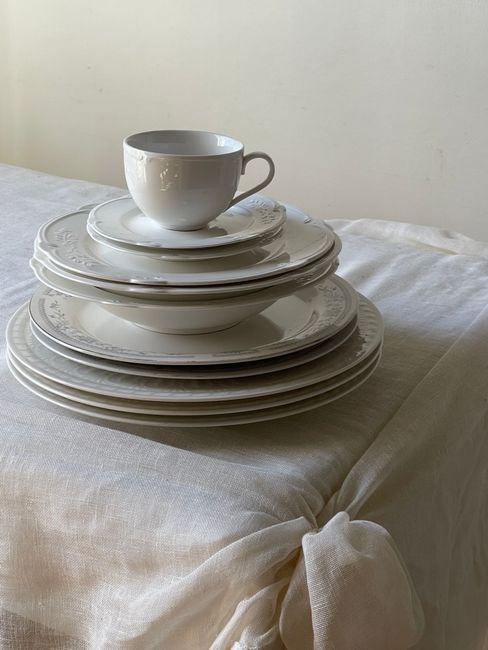
When selecting linens, the table shape dictates the cloth’s cut and drape. Rectangular tables require a straight hem, while square tables favor a balanced drop on all sides. Round tables need a circular cut, and oval tables benefit from a tapered edge. Irregular shapes demand custom tailoring to fit unique angles.
Choosing linen length keeps tables tidy and guests comfort!!!
Rectangular
Rectangular tables are the most common in both formal and casual settings, and they demand precise linen measurements to achieve a polished look. The first step is to measure the table’s length and width. For a standard 8‑ft (96‑in) table, the ideal linen length is typically 12–14 inches longer than the table’s length to allow for a 6–7 inch drop on each end. For width, a drop of 4–5 inches on each side is standard, so a 30‑in table would use a linen width of 38–40 inches. These dimensions ensure the linen hangs evenly without excessive bunching or tightness.
When calculating the drop, remember that the linen’s weight and material affect how it drapes. Heavy fabrics like linen or wool may require a slightly larger drop to prevent stiffness, whereas lighter cottons can be trimmed a bit shorter. Additionally, consider the table’s edge height; a higher edge may necessitate a longer drop to maintain a graceful silhouette. For tables with a 4‑inch edge, a 6‑inch drop is often ideal, while a 2‑inch edge can work well with a 5‑inch drop.
For event planners, it’s useful to account for the table’s intended use. A banquet table that will host multiple courses may benefit from a longer drop to cover the table’s surface fully, whereas a cocktail table might only need a modest 4‑inch drop to keep the surface clear for guests. By adhering to these guidelines, you can choose linen that complements the table’s proportions and the event’s aesthetic.
Choosing the right fabric for rectangular tables can elevate both comfort and style. Light‑weight linens such as muslin or cotton offer breathability for daytime events, while heavier weaves like brocade or velvet add drama to evening banquets. Color coordination is vital; a subtle contrast between tablecloth and runner creates visual interest without overwhelming the space. Properly tailored linens help maintain the table’s shape during use. use. enhances visual appeal and comfort.
Square
When selecting square linens, consider the table’s edge height and desired drape. A 6‑inch drop on a 36‑inch table yields a 48‑inch cloth; a 4‑inch drop on a 48‑inch table produces a 56‑inch cloth. For formal events, a 6‑inch drop on a 48‑inch table creates a balanced look, while a 4‑inch drop on a 36‑inch table keeps the surface clear for guests. Fabric weight and pattern should complement décor, and style.
Add a runner for extra style and color coordination match.
Round
When selecting linens for round tables, the key is to match the cloth’s diameter to the table’s circumference while allowing an appropriate drop. A standard rule is to add 6 inches to the table’s diameter for a 6‑inch drop, or 4 inches for a 4‑inch drop. For a 48‑inch table, a 6‑inch drop results in a 54‑inch diameter cloth; a 4‑inch drop gives a 52‑inch cloth. The cloth should be cut in a perfect circle, with a clean edge to avoid fraying. Fabric weight matters: lighter linens work well for casual settings, while heavier fabrics create a formal look. Pattern placement is crucial; center‑aligned designs look best on round tables because the symmetry is preserved. When using patterned linens, ensure the pattern’s focal point is centered on the table. For a modern aesthetic, consider a subtle sheen or a matte finish depending on the event’s theme. If the table has a decorative centerpiece, a shorter drop (4 inches) keeps the centerpiece visible and the table surface clear for guests. For a more dramatic effect, a 6‑inch drop can create a cascading look that adds depth to the table setting. Always test the cloth on a mock table before the event to confirm the drop and fit. Adjustments can be made by trimming the cloth or adding a decorative border. When storing, roll the cloth loosely to prevent creases. Proper care, such as gentle washing and avoiding harsh chemicals, extends the linen’s life. By following these guidelines, you’ll achieve a polished, cohesive look that enhances the overall event décor. In addition to the drop, consider the table’s edge height; a higher edge may require a slightly larger drop to maintain a balanced appearance. For instance, a table with a 4‑inch edge height may look best with a 6‑inch drop, whereas a table with a 2‑inch edge height can comfortably use a 4‑inch drop. The choice of fabric color should complement the surrounding décor; neutral tones provide versatility, while bold colors can serve as a statement piece. When coordinating multiple tables, ensure consistency in drop size and fabric type to create a unified aesthetic. If the event includes a buffet or buffet‑style service, a shorter drop (4 inches) allows guests easier access to food items. Conversely, for formal sit‑down dinners, a longer drop (6 inches) adds elegance and a sense of luxury. Finally, always consider the venue’s lighting; brighter linens reflect light, creating a lively atmosphere, while darker fabrics absorb light, lending a more intimate ambiance.
Oval
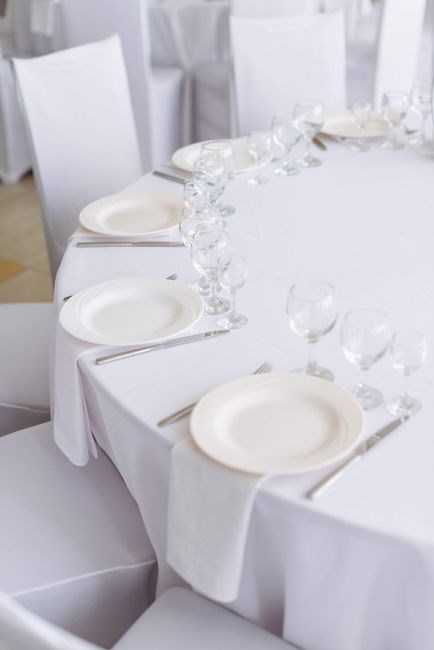
Oval tables present a unique challenge for linen selection because the length and width differ, and the drop must be calculated along the perimeter. The most reliable method is to measure the table’s major and minor axes. For a standard 60‑inch by 36‑inch oval, the major axis is 60 inches and the minor axis 36 inches. To determine the linen diameter, add the desired drop (4‑6 inches) to each axis, calculate the average of the two. This method ensures the linen covers the entire table while maintaining a consistent drop around the curved edges. When cutting the cloth, use a large circular template that matches the calculated diameter, and trim the excess with a sharp rotary cutter to avoid fraying. Pattern placement on oval linens is critical; center‑aligned patterns look best because the symmetry of the oval is preserved when the linen is centered. If the linen has a border or scalloped edge, ensure the border aligns with the table’s edge to create a seamless look. For formal events, a 6‑inch drop provides a dramatic, cascading effect that enhances the table’s elegance. For buffet or casual settings, a 4‑inch drop keeps the table surface clear for guests to access food. The fabric weight should match the event’s formality: lighter linens for casual gatherings, heavier linens for formal occasions. When storing, roll the linen loosely and store it in a cool, dry place to prevent creases. Proper care, such as gentle washing with a mild detergent and avoiding bleach, extends the linen’s life. By following these guidelines, you’ll achieve a polished, cohesive look that complements the oval shape and enhances the overall event décor
Irregular
Irregular tables—those with nonstandard shapes or uneven edges—require a bespoke approach to linen sizing. Begin by tracing the table’s perimeter on a sheet, noting each corner and curve. Measure the longest straight segment and the widest span across the table; these two dimensions form the basis for a custom drop. A common rule is to add 4–6 inches to each measured span, then calculate the average to determine the overall linen diameter. For tables with pronounced angles, add an extra 2 inches to the drop on the sharper side to ensure the cloth hangs evenly. When cutting the linen, use a circular template that matches the calculated diameter and trim the excess with a rotary cutter to avoid fraying. Pattern placement is critical; center‑align any motifs so that the irregular shape does not distort the design. If the table has a decorative border, match the linen’s edge to the table’s edge for a seamless look; Fabric weight should reflect the event’s formality: lighter fabrics for casual settings, heavier, more structured fabrics for formal occasions. Store the linen rolled loosely in a cool, dry place and wash with a mild detergent, avoiding bleach, to preserve its shape and color. By following these steps, you can achieve a polished, cohesive look that complements even the most unconventional table layout.
When choosing linens for irregular tables, match the drop to the table’s contour for a balanced look. Light fabrics such as cotton or linen suit daytime events; heavier options like wool or silk add evening elegance. Test a small section before full application to ensure proper balance and avoid pooling or sagging. Store linens loosely in a dry, cool place to maintain shape and prolong life. Careful measurement, custom tailoring, and proper care create a cohesive aesthetic that enhances the table’s distinctive form and elevates the overall décor. Enjoy the event. Every choice reflects style..!?

Core Measurements to Know
Key dimensions for linen fit: table length, width, height, edge height, and for ovals, perimeter. Measure from edge to edge, add 4–6 inches for drop. Height guides fabric weight. Accurate numbers ensure a polished, balanced look for any table shape. For oval tables, calculate perimeter using 2πr or 4×(length+width)/2, then add drop. Ensure proper fit
Table Length
Table length is the measurement from one end of the table to the other, excluding extensions or overhangs. Accurate length determination is essential for selecting linen that provides an even drop on both sides while maintaining a balanced appearance. To measure, place a tape measure on the floor, align it with the table’s edge, and extend it to the opposite edge. Record the measurement in inches or centimeters, depending on your regional preference. For most banquet tables, a standard length ranges from 48 to 72 inches, but custom tables may be longer or shorter. When choosing linen, add a drop of 4 to 6 inches on each side for a classic look, or 8 to 10 inches for a more dramatic, floor‑to‑floor effect. The drop should be consistent across the entire length to avoid uneven draping. Always double‑check the measured length before purchasing linen to avoid costly returns or mismatched fabrics. Proper table length measurement guarantees a polished, professional finish that enhances the overall aesthetic of any event setting.
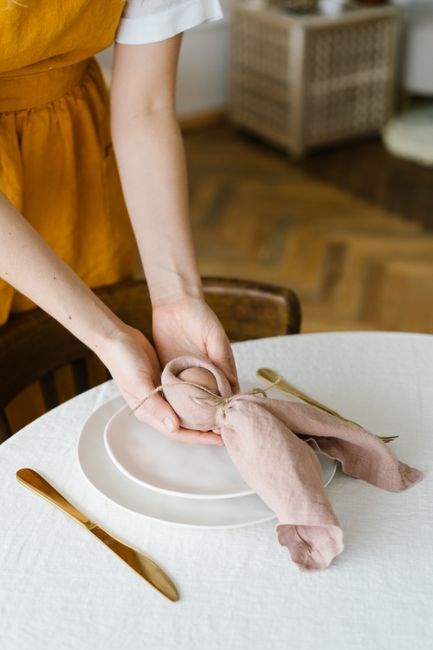
When dealing with irregular or custom‑shaped tables, the notion of “length” may need adaptation. Measure the longest straight segment that runs from one end to the other, even if the table curves or has a unique silhouette. This measurement will serve as the baseline for determining linen cut and drop. For very long banquet tables that exceed 10 feet, a modular linen system is common, where multiple linen pieces are joined seamlessly. Each module should be measured individually and stitched together with a hidden seam. Finally, consider the venue’s floor space and any obstacles that may affect how the linen hangs. This precision also helps in matching fabric weight to table height for optimal drape. A well‑measured table length supports visual harmony and ensures guests can comfortably access the table without tripping over excess fabric!!
Table Width
Table width is the measurement across the table from one side to the opposite side, perpendicular to the length. Accurate width measurement ensures linens cover the surface evenly and that the drop on each side is symmetrical. To measure width, place a tape measure on the floor, align it with one side edge, and extend it to the opposite edge. Record the measurement in inches or centimeters. Typical banquet table widths range from 30 to 48 inches, but custom tables can be narrower or wider. When selecting linen, add a drop of 4 to 6 inches on each side for a balanced look, or 8 to 10 inches for a more formal, floor‑to‑floor effect. Proper width measurement guides the choice of fabric weight and drape style to match the table’s height. This measurement also guides the choice of fabric weight and drape style to match the table’s height. Proper width measurement contributes to a cohesive table presentation, enhancing the overall event aesthetic and ensuring guests can comfortably reach the center of the table without tripping over excess fabric;
When tables are exceptionally wide, such as banquet tables exceeding 60 inches, designers often recommend a staggered drop. This technique involves a shorter drop on the sides nearest the table legs and a longer drop toward the center, creating a subtle visual balance that accommodates the increased surface area. Additionally, the width determines the amount of fabric needed; a 48‑inch table requires roughly 12 feet of linen per side, while a 30‑inch table needs about 8 feet. Fabric weight also plays a role: a lightweight cotton linen may drape gracefully on a 30‑inch table, whereas a heavy wool blend may look best on a 48‑inch table to maintain structure. When working with modular linens, the width measurement ensures that each module aligns correctly, preventing gaps or overlaps that could compromise the table’s appearance. These calculations help event planners choose the right linen size for flawless table décor!!
Table Height
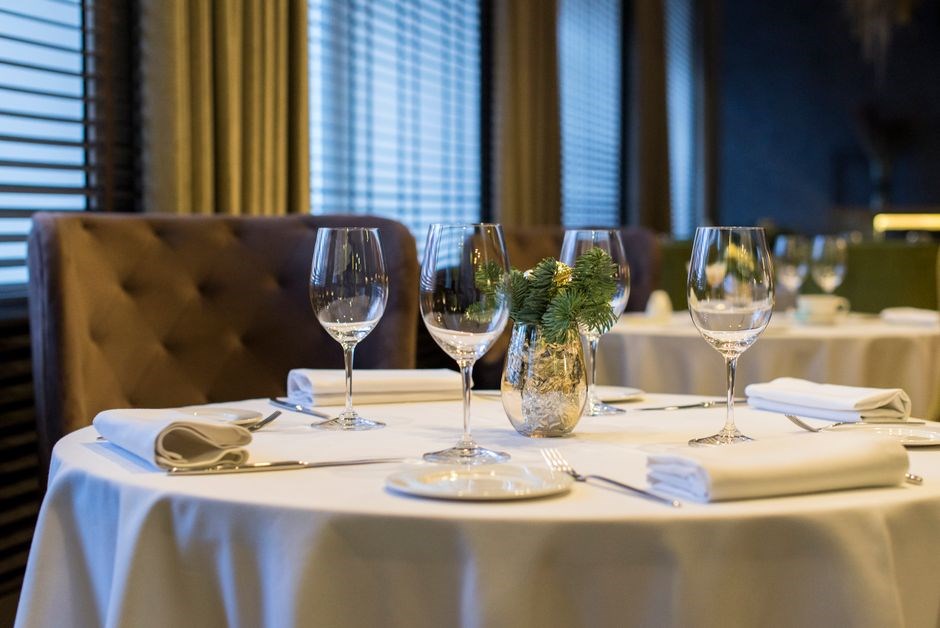
Table height is the vertical distance from the floor to the tabletop surface. Standard banquet tables sit at 30 to 32 inches, while dining tables range from 28 to 30 inches. Knowing the exact height is essential for selecting linens that drape properly and maintain a balanced visual proportion. Measure by placing a tape measure on the floor, aligning it with the table edge, and extending it straight up to the tabletop. Record the measurement in inches or centimeters. Height influences drop calculation: a 30‑inch table typically requires a 4‑6 inch drop on each side for a casual look, while a 32‑inch table may call for a 6‑8 inch drop to achieve a formal, floor‑to‑floor effect. Fabric weight also matters; lighter linens such as cotton or linen drape gracefully on lower tables, whereas heavier blends like wool or polyester may need a higher drop to prevent sagging. Height determines placement of accessories: taller tables allow for longer centerpieces and taller candles without crowding the surface. For adjustable tables, measure the height at the lowest point to ensure the linen fits all guests. Proper height measurement ensures linens complement the table’s proportions, enhance the overall aesthetic, and provide a comfortable dining experience. Accurate height data assists in calculating total fabric needed, as higher tables often require more material to achieve the desired drop and coverage. By integrating height measurements into your linen selection, you create a cohesive, polished look that aligns with the event’s style and functional requirements. This meticulous approach to table height ensures that every detail, from drop length to fabric weight, works harmoniously to elevate the table setting and leave a lasting impression on guests. When planning linen drapes, consider the room’s ceiling height, table width, and seating positions; a well‑measured drop enhances visual balance but also ensures the fabric’s weight and length suit the event and enjoy theparty.
Edge Height
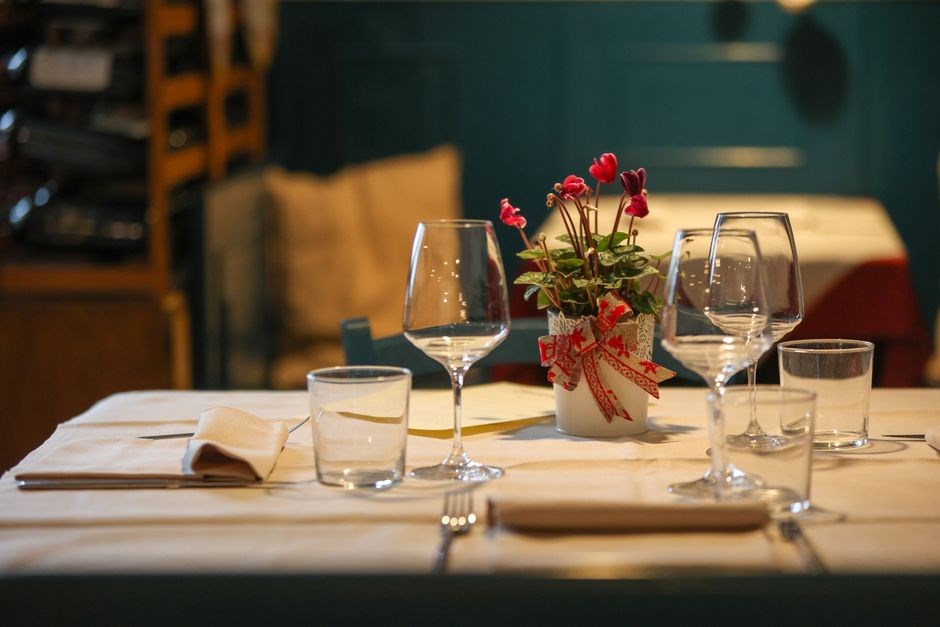
Edge height is the vertical distance from the tabletop surface to the top of the table’s lip or rim. It is a critical measurement when selecting linens because it determines how much fabric will be exposed above the table edge and how the cloth will fall. For most banquet and dining tables the lip rises 2 to 4 inches above the tabletop, while some high‑chair or bar tables have a lip that is only 1 inch or less. When measuring edge height, place a tape measure on the tabletop, extend it straight up to the lip, and record the value in inches or centimeters. This measurement is used in conjunction with table length and width to calculate the required drop for a balanced look. A common rule of thumb is to allow a drop that is 1.5 to 2 times the edge height for a formal setting; for a casual or rustic event a drop of 1.25 to 1.5 times the edge height may suffice. Edge height also influences the choice of fabric weight and pattern. Lighter fabrics such as cotton or linen drape smoothly over a higher lip, whereas heavier blends like wool or polyester may need a lower lip to prevent excessive fabric sag. In addition, the edge height affects the placement of centerpieces and table accessories. A higher lip provides more clearance for taller candles or vases, while a lower lip can create a more intimate, table‑to‑table feel. When designing a linen layout, always consider the edge height in relation to the table height, width, and the desired aesthetic. Accurate edge height measurement ensures that the linen will not hang too low, causing a cluttered appearance, nor will it be too short, leaving exposed tabletop that detracts from the overall look. By incorporating edge height into your planning, you create a cohesive, polished table setting that enhances the event’s atmosphere and provides a comfortable dining experience for guests.
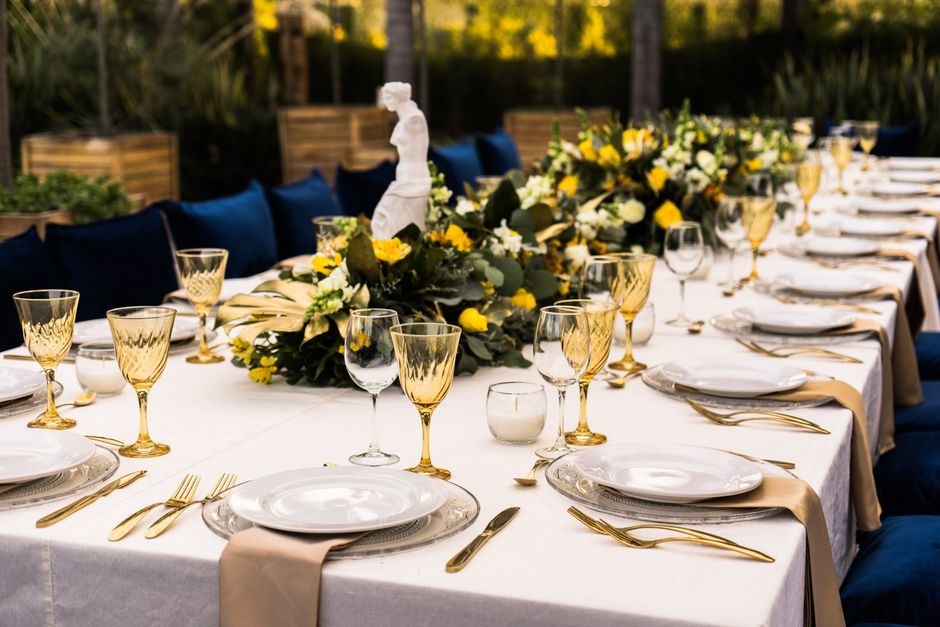
In practice, event planners often use a simple formula: drop = edge height × multiplier. The multiplier depends on the table shape and the desired style. For rectangular tables, a multiplier of 1.75 to 2.0 gives a classic look, while round tables may use a slightly lower multiplier to avoid excessive fabric pooling at the center. The edge height also interacts with the table’s edge profile; a beveled or rounded lip will catch more fabric than a sharp, straight lip, so the drop may need to be adjusted accordingly. When working with irregular or custom tables, it is advisable to take multiple edge height measurements around the perimeter and use the highest value to ensure a consistent drop all around. Additionally, consider the table’s usage: a high‑chair table used for cocktail receptions may benefit from a lower drop to keep the surface clear for guests, whereas a formal banquet table will often have a higher drop to showcase the table linens as a focal point. By carefully measuring and applying edge height, planners can create a linen layout that is both functional and visually appealing, ensuring that every table at the event looks intentional and well‑designed.
Edge height precision ensures perfect drape.
Table Perimeter for Ovals
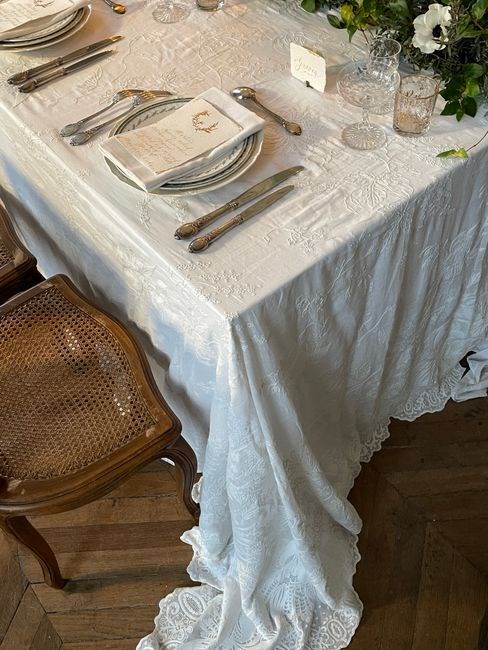
Oval tables present a unique challenge for linen selection because their shape lacks the straight edges of rectangles or squares. The key measurement is the perimeter, which determines the total length of fabric required to wrap the table. For example, an oval table that measures 84 inches in length and 48 inches in width has a = 42 inches and b = 24 inches. This perimeter represents the total fabric length needed to cover the table’s edge. However, linen drape and style also influence the final cut. A formal setting often calls for a 12‑inch drop, which adds 24 inches to the perimeter (12 inches on each side). For a casual or buffet table, a 6‑inch drop may suffice, adding 12 inches. Therefore, the total linen length for the example oval would be 215 + 24 = 239 inches for a formal look or 215 + 12 = 227 inches for a relaxed setting. When working with custom or irregular ovals, it is prudent to measure the longest and shortest diameters, calculate the semi‑axes, and use the ellipse perimeter formula. Always round up to the nearest quarter inch to account for hems and potential fabric shrinkage. By mastering the perimeter calculation and adjusting for drop, event planners can ensure a seamless, elegant linen presentation that respects the oval’s graceful curves. Use a ruler now!

Find information on the Internet on this topic: Table Linen Sizing Guide For Your Folding Tables EventStable.com: With the various sizes and heights of tables in todays commercial furniture world, its sometimes difficult to keep track of which table linens fit what tables. This guide will go into depth on understanding table and linen measurements, as well as how to choose the best table cloth to achieve the desired look once its on your tables!; 2024-01-16T20:28:21